


Muto Shinoda is best known publicly as the father of musician and Linkin Park co-founder Mike Shinoda. Unlike his son, Muto has largely remained outside the public spotlight, so relatively little personal information about him is available from authoritative sources.
What is documented about Muto comes primarily from Mike Shinoda’s interviews about his family’s Japanese American history. Mike has explained that his father’s family lived in California and experienced the forced incarceration of Japanese Americans during World War II. Muto was only three years old when his family was taken from their home and eventually held at the Santa Anita Assembly Center.
That family history later became part of Mike Shinoda’s creative work, particularly the Fort Minor song “Kenji,” which incorporates interviews with his father and aunt about their wartime experiences.
| Category | Details |
|---|---|
| Full Name | Muto Shinoda |
| Known For | Being the father of musician Mike Shinoda |
| Nationality/Background | Japanese American |
| Family | Father of Mike Shinoda; Mike has described Muto as one of 13 siblings |
| Son | Mike Shinoda, musician, producer and artist |
| World War II Experience | Muto was about 3 years old when his family was incarcerated during World War II |
| Incarceration Site | Santa Anita Assembly Center, California, before the family was transferred to a camp in Arizona |
| Connection to Music | Mike Shinoda interviewed his father about the family’s wartime experience |
| Related Song | “Kenji” by Fort Minor |
| Public Career | Not reliably documented |
| Date of Birth | Not reliably documented |
| Net Worth | Not publicly verified |
Early Life and Background
Reliable public sources do not establish Muto Shinoda’s exact date or place of birth. However, Mike Shinoda has described his father as Japanese American and said that Muto was raised in California.
Muto was the second-youngest of 13 siblings. According to Mike’s interview with the Japanese American National Museum’s Discover Nikkei project, Muto was about three years old when his family was incarcerated during World War II. Mike interviewed his father and his oldest aunt while developing material for his Fort Minor album.
Mike’s grandfather was the first member of the family to immigrate to the United States. The Shinoda family subsequently established themselves in California, where they operated businesses in Orosi, including a grocery store. Later, the family added businesses such as a barber shop, pool hall and gas station.
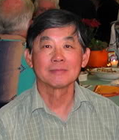
Muto Shinoda and World War II
The most extensively documented part of Muto Shinoda’s story concerns his family’s experience during the U.S. government’s wartime incarceration of Japanese Americans.
Following the attack on Pearl Harbor, Japanese American families on the West Coast were forcibly removed from their homes under government orders. Mike Shinoda has said that Muto was three years old when his family was taken from their California home.
The family was sent to the Santa Anita Assembly Center, where Japanese Americans were temporarily housed before being transferred to more permanent incarceration facilities. Mike has recalled that his family was held at the Santa Anita racetrack before eventually being moved to a camp in Arizona.
Mike has also described the family’s business and property being disrupted by the forced removal. The experience became a significant part of his understanding of his Japanese American heritage and the history of discrimination faced by his family.
Muto Shinoda’s Family
Muto and Donna Shinoda are publicly identified as the parents of Mike Shinoda. Mike was born in California in 1977 and grew up in Agoura Hills. Public biographical sources also identify Jason Shinoda as Mike’s younger brother.
Mike has spoken about his father’s side of the family in numerous interviews, particularly when discussing Japanese American identity and the family’s wartime experiences.
Because Muto has maintained a private life, detailed information about his personal relationships and day-to-day life is not well documented in authoritative public sources.
Connection to Mike Shinoda’s Music
Muto’s story became particularly significant to Mike Shinoda’s music through Fort Minor’s 2005 album The Rising Tied.
One of the album’s songs, “Kenji,” was inspired by Mike’s research into Japanese American incarceration and conversations with relatives who had experienced it. The Japanese American National Museum’s Discover Nikkei archive confirms that Mike interviewed his father and aunt and incorporated portions of those interviews into the song.
The Japanese American National Museum has also described “Kenji” as a work based on the experiences of Mike’s father and aunt during World War II.
Through the song, a private family history became part of a broader artistic discussion about Japanese American identity, discrimination and wartime incarceration.
Career and Profession
There is not enough reliable public information to establish Muto Shinoda’s own profession or a detailed career history.
Sources about the Shinoda family do document that his family operated businesses in Orosi, California. However, those accounts do not provide sufficient evidence to construct a detailed employment biography for Muto himself.
For that reason, claims about a specific occupation, business ownership or professional achievements should be treated cautiously unless supported by a stronger primary source.
Education
Muto Shinoda’s education has not been reliably documented in authoritative public sources. No specific school, college or degree is included here.
Net Worth
There is no reliable public estimate of Muto Shinoda’s net worth. Unlike his son, who has a substantial public career in music and visual art, Muto has remained a private individual.
Claims assigning a specific fortune to him are therefore not included.
Personal Life
Muto Shinoda has largely stayed away from the entertainment industry and public life. Most available information about him comes from his son Mike’s interviews rather than from Muto’s own public appearances.
His significance in publicly documented accounts is primarily connected to his family history, particularly the experiences of Japanese Americans during World War II and the way those experiences were later shared with Mike.
Interesting Facts About Muto Shinoda
- Muto Shinoda is Mike Shinoda’s father, and Mike was born to Muto and Donna Shinoda in California.
- Muto was about three years old when his family was incarcerated during World War II.
- His family was temporarily held at the Santa Anita Assembly Center during the forced removal of Japanese Americans.
- Muto was the second-youngest of 13 children, according to Mike’s interview with Discover Nikkei.
- The Shinoda family had operated a grocery store in Orosi, California, before the wartime removal disrupted their lives and businesses.
- Mike Shinoda interviewed his father while developing “Kenji,” a Fort Minor song based on his family’s World War II experiences.
- The Japanese American National Museum has recognized Mike Shinoda’s work for helping bring attention to the history of Japanese American incarceration.
FAQs About Muto Shinoda
Who is Muto Shinoda?
Muto Shinoda is the father of musician Mike Shinoda, who is best known as a co-founder and member of Linkin Park and as the creator of the Fort Minor project.
Is Muto Shinoda Japanese American?
Yes. Mike Shinoda has publicly described his father’s family as Japanese American and has discussed their history in California.
How old was Muto Shinoda during World War II?
Mike Shinoda has said that his father was three years old when his family was incarcerated during World War II.
Where was Muto Shinoda’s family held during World War II?
The family was held at the Santa Anita Assembly Center in California before being transferred to a permanent incarceration camp in Arizona.
Did Muto Shinoda inspire Mike Shinoda’s music?
Muto’s wartime experiences contributed directly to Mike Shinoda’s song “Kenji.” Mike interviewed his father and aunt about their experiences, and portions of those interviews were incorporated into the song.
What was Muto Shinoda’s profession?
His specific profession has not been reliably established in authoritative public sources. The family’s history includes operating businesses in Orosi, California, but that does not provide enough evidence to describe Muto’s individual career in detail.
What is Muto Shinoda’s net worth?
There is no credible, publicly verified estimate of Muto Shinoda’s personal net worth.
Conclusion
Muto Shinoda has lived largely outside the public eye, but his family history has become an important part of understanding Mike Shinoda’s background and creative work. His childhood experience during the wartime incarceration of Japanese Americans was later shared with his son and became a key source for Fort Minor’s “Kenji.”
Beyond those documented family experiences, reliable public information about Muto’s age, career, education and finances remains limited. A factual biography therefore needs to distinguish what Mike Shinoda has publicly documented about his father from details that have not been independently established.
Don’t miss out — discover more stories only on Meet Celebrity.